KoBold Metals: AI Prospecting Funded by Bezos and Gates
KoBold Metals is a private mineral exploration company that uses artificial intelligence to find the metals the energy transition needs, and it has become one of the most talked-about names in mining without a single share available to the public. The company is famous for two things: its celebrity investor list and its headline discovery, a giant copper deposit in Zambia found with the help of its machine-learning exploration platform. In Whitney Tilson’s “$6 Miner / Rushmore Gold” presentation for Stansberry’s Commodity Supercycles, KoBold is the proof that AI-driven prospecting is the biggest story in resources. We walk through the specifics in our Is KoBold Metals Publicly Traded? How to Get Exposure piece. For the full backstory, see our KoBold Metals IPO: Will the AI Prospector Go Public? article.
The investors say a lot
Tilson lists them directly: “Jeff Bezos, Bill Gates, Mark Zuckerberg, Sam Altman, Marc Andreessen, Michael Bloomberg, and Jack Ma all invested in… The company is now valued at nearly $3 billion.” When a roster like that backs a private mining startup, the signal is not that billionaires love rocks. It is that they see the same structural story Tilson builds his whole pitch around: the world is short of critical minerals, discovery is the bottleneck, and software eats every industry eventually, including the oldest one.
What KoBold actually does
Traditional mineral exploration is a needle-in-a-haystack business: geologists drill thousands of holes to find one deposit, at hit rates around half a percent. KoBold’s approach, which it calls its machine-learning platform, ingests every kind of data available over a target area, geophysics, geochemistry, historical drilling, satellite imagery, and models where the ore actually is before spending drill money. The result in Zambia, the Mingomba deposit, was a copper discovery that made global headlines, and KoBold followed it with further high-grade intercepts.
Tilson’s presentation uses KoBold as evidence for a wider claim: that “AI is colliding with the natural resources market and sending mining stocks flying.” He cites Earth AI’s 75% discovery hit rate, “150 times the industry average,” and the Pentagon’s MinMod system, which “mapped out 670,000 mineral sites across America… Including 184,000 gold sites.” Whether you track every figure or not, the direction is real: discovery costs are falling, and the companies that find metal fastest are winning.
The benchmark story: from coal mine to $37 billion
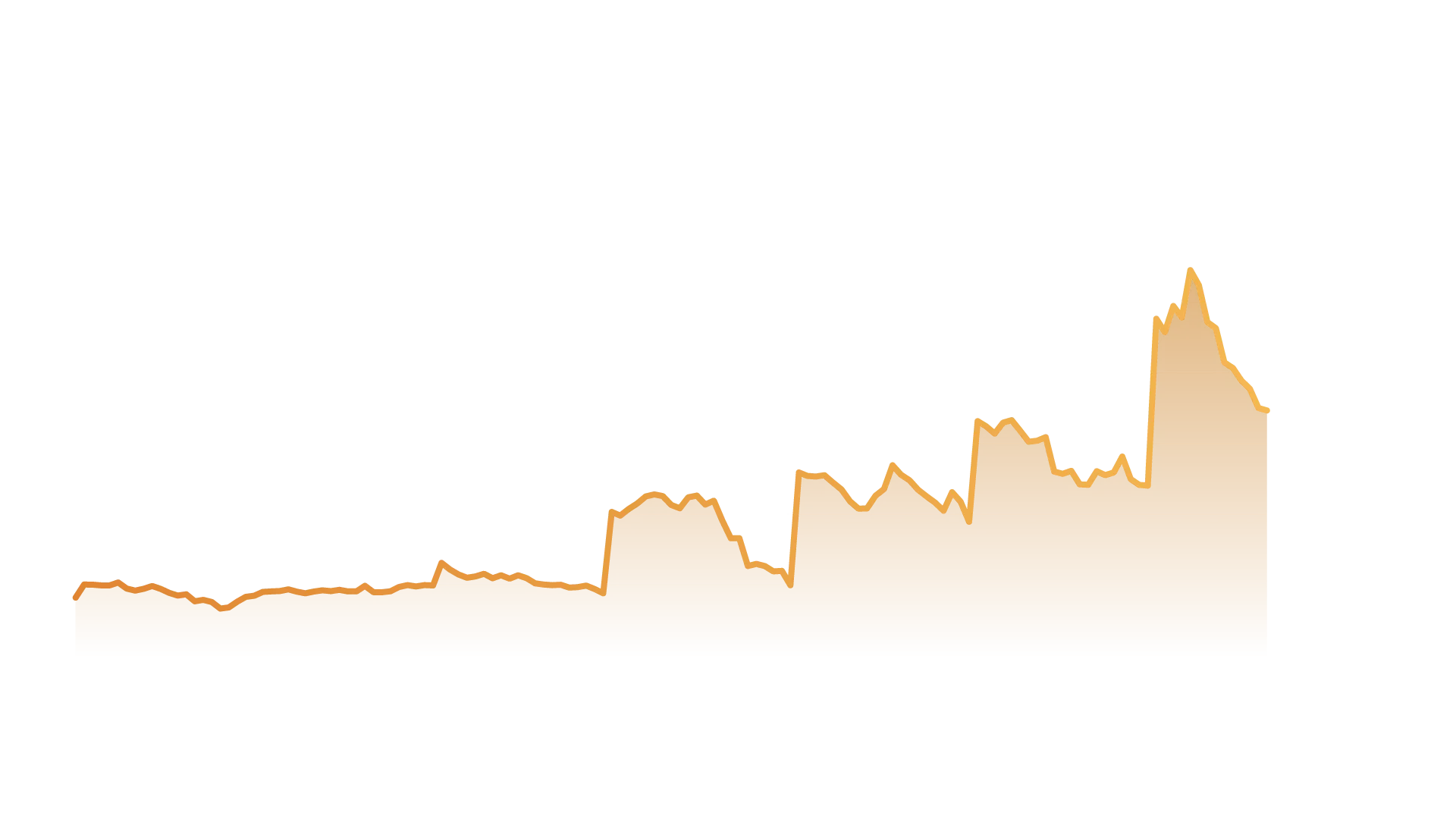
The reason AI prospecting grabs investor attention is the precedent Tilson tells in detail. Randall Atkins bought a 100-year-old coal mine in Sheridan County, Wyoming, expecting little. Then Department of Energy scientists, “using a new kind of AI that predicts where ‘unconventional’ deposits of natural resources are,” found something unexpected under the old property: “1.7 million tonnes of rare earths, worth about $37 billion… Enough of these essential resources to supply the entire U.S. for more than 100 years.” His company, Ramaco Resources (METC), saw its stock rise 773% in a little more than six months, turning every $10,000 into $87,300.
That is the pattern KoBold represents at institutional scale: AI finds what a century of pick-and-shovel work missed, and the market re-rates the owner of the ground overnight.
Is KoBold Metals publicly traded?
No, and that is the question most searchers are really asking. KoBold is private, and there is no KoBold ticker. That matters for two reasons. First, the Zambia discovery is partly held through a joint venture with Rio Tinto and Zambia’s state miner ZCCM, so public-market exposure to that specific deposit runs through the partners rather than KoBold itself. Second, if KoBold ever goes public, it would be one of the most anticipated mining IPOs in memory, but there is no filing on that calendar today. Anyone pitching “pre-IPO KoBold shares” to retail investors should be treated with great caution.
The honest way to invest the theme today is through the public companies doing the same thing: miners that use AI on their own ground. Tilson’s own free pick in the presentation is a different kind of honesty: he names Dakota Gold (DC), the South Dakota explorer whose geologists “put all this historic data into AI-powered mining software… And it uncovered 114 tons of gold” near Mount Rushmore, worth roughly $22 billion in the ground. And he immediately tempers it: “it won’t start mining its gold find until 2029. That means it’s not producing any revenue yet, so for now I’d just keep an eye on it.” His four paid picks, in the report “AI Miners: Four Stocks Unlocking America’s $200 Trillion Natural Resource Bounty,” come with a trial of Commodity Supercycles backed by a 30-day full-refund guarantee.
Considerations
AI prospecting is real, but so are mining’s old risks: permitting timelines, capital intensity, commodity prices, and the gap between a discovery and cash flow, which can be years. KoBold itself is venture-funded and patient; retail investors need similar patience in any proxy. The Ramaco example shows the upside when everything goes right; every junior that never finds anything shows the base rate.
Where to learn more
See our coverage of Dakota Gold, the free ticker in Tilson’s pitch, plus our earlier Stansberry pieces on rare earth stocks and the publisher’s 27-year history. For more on how AI is changing the resource business, our critical minerals coverage is the companion theme to this one.
NewsletterVetter is an independent publication. We receive compensation from some of the services we review through affiliate links. Nothing on this site is investment advice. Always do your own research.