AI Mineral Exploration: The 75% Hit Rate Changing Mining
AI mineral exploration has produced one of the starkest statistics in the resource business: Earth AI, one of the private companies pioneering the method, has achieved a discovery hit rate around 75% on its drill targets, against an industry average near 0.5%, a figure Whitney Tilson’s “$6 Miner / Rushmore Gold” presentation cites as “150 times the industry average.” If that comparison holds broadly, it describes a step-change in how the world finds metals, and it is the engine behind the current wave of AI-mining investment pitches. This article explains the method, the evidence, and what it means for investors. There is more on this in our AI in Mineral Exploration: How Software Finds Buried Gold article. There is more on this in our AI Mining Stocks: The Software Behind the Resource Boom article.
The industry’s old math
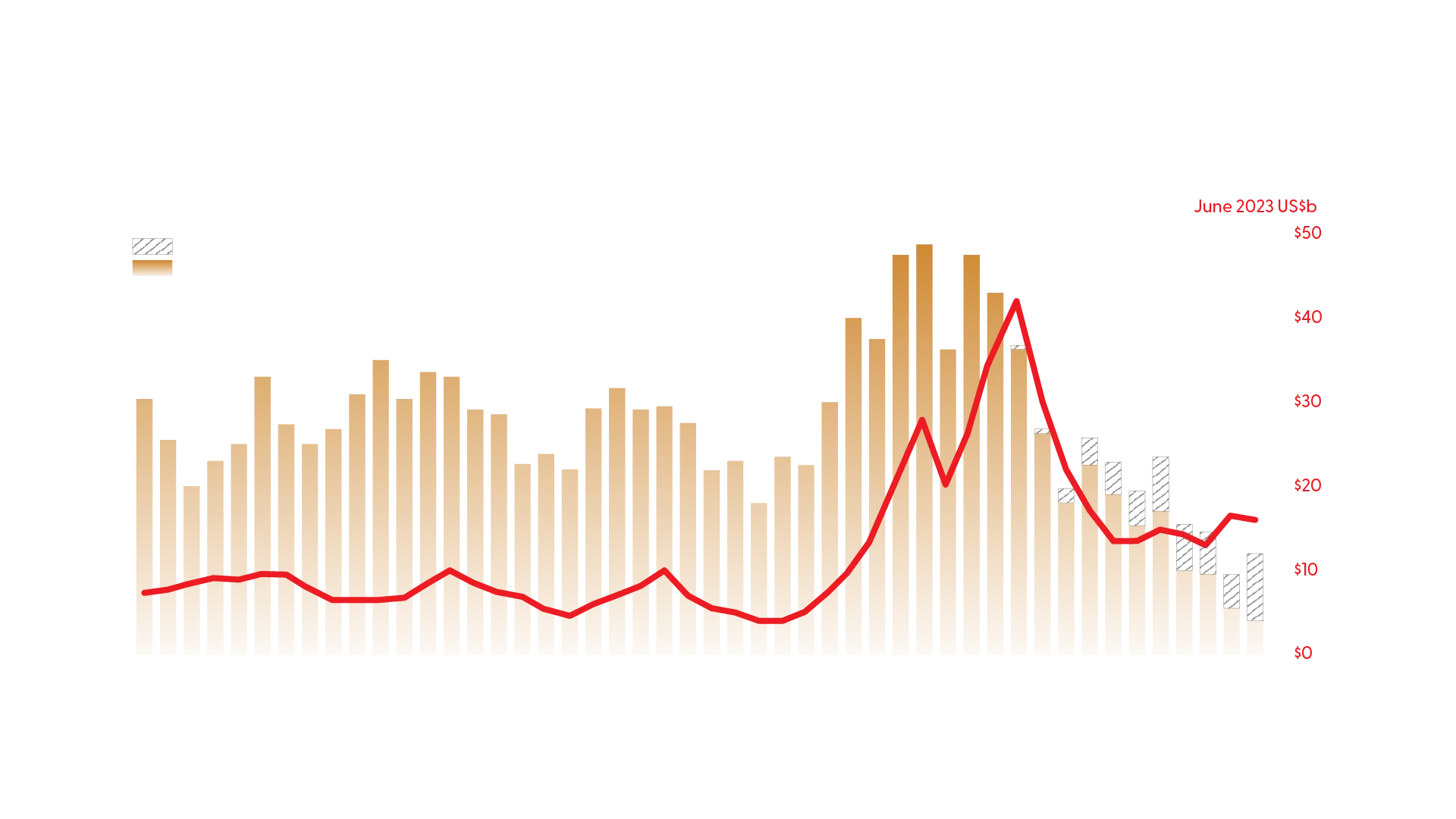
Conventional exploration is a lottery with expensive tickets. Geologists assemble stream-sediment samples, geophysical surveys, and geologic maps, pick targets, and drill. Most holes find nothing; the industry-wide discovery hit rate sits around half a percent of targets, and discovery spending per unit of metal found has climbed for decades as the easy near-surface deposits ran out. The data paradox: the industry has generated vast archives of drill logs, assays, and surveys over 150 years, “way too much information for humans to sift through,” as Tilson’s presentation puts it, which is precisely the condition machine learning excels at.
What the platforms do
The method, in plain terms: integrate every dataset available over a target area, historical drilling, geochemistry, geophysics, satellite imagery, structural geology, and train models to recognize the signatures of known deposits. The model then ranks unexplored ground by similarity. Geologists still confirm with drills, but they start from odds that are multiples of the conventional base rate. The platforms doing this credibly are now named: Earth AI, KoBold Metals (the “$3 billion” private explorer backed by “Jeff Bezos, Bill Gates, Mark Zuckerberg, Sam Altman” and others), Terra AI and its TerraEye system (partners to Ero Copper and Intrepid Metals), and the Pentagon’s MinMod, the public-sector version that “mapped out 670,000 mineral sites across America… Including 184,000 gold sites.”
The evidence trail
The results the method has already produced, per the presentation and its cited coverage:
- Wyoming rare earths: DOE scientists using AI-assisted surveys found “1.7 million tonnes of rare earths, worth about $37 billion… Enough of these essential resources to supply the entire U.S. for more than 100 years” under Randall Atkins’ old coal mine. Ramaco Resources (METC) ran 773% in a little more than six months.
- Black Hills gold: Dakota Gold (DC) fed “145 years of historic records” into “AI-powered mining software” and “uncovered 114 tons of gold,” “roughly a $22 billion payload,” in ground “almost in the shadows of the presidents’ noses.”
- Arizona copper: Intrepid Metals’ TerraEye-assisted program, up 277% in six months.
- Zambia copper: KoBold’s Mingomba deposit, one of the decade’s significant copper finds.
Why a better hit rate matters to investors
The economics of exploration are brutal because of the base rate: improve the hit rate 150-fold, and the cost of finding a mine collapses, which changes what ground is worth. Companies sitting on data-rich terrain, historic districts, old coal fields, government-surveyed acreage, gain a lever no previous cycle offered. And because discovery is the re-rating event in mining, more discoveries per decade means more investable news flow, which is what Tilson’s “AI Miners” report is selling exposure to. The macro frame behind it, the federal critical-minerals push, the “Project Vault” stockpile, Burgum’s $200 trillion in-ground estimate, adds policy support that previous AI-meets-mining cycles lacked.
Considerations
Weight the 75% figure correctly: it is one company’s performance on its own selected targets, not an industry-wide average, and even a perfect discovery still faces the years-long path through drilling, permitting, feasibility, and financing before revenue. Dilution remains the explorer’s chronic tax. And the theme has arrived fast enough that “AI” is already appearing in investor decks that lack any real platform, so the named-platform test matters: can the company say which system, which method, which partners?
Questions readers ask about AI exploration
What is the strongest evidence the technology works? Three dated proof points in the presentation. Dakota Gold’s geologists put 145 years of historic records, old maps, drill results, and surveys, into AI-powered mining software and uncovered 114 tons of Black Hills gold. Department of Energy scientists applied a new AI to Randall Atkins’ 100-year-old Wyoming coal mine and found 1.7 million tonnes of rare earths worth about $37 billion, and the stock, Ramaco Resources, gained 773% in a little over six months. And Earth AI is posting discovery hit rates 150 times the industry average.
Why does a better hit rate matter to equity investors? Because exploration economics are hit-rate economics. A junior miner’s value is the expected value of its drill program, and if AI multiplies the discovery rate while traditional programs keep drilling dry holes, the AI-using firms compound resource discoveries per dollar drilled. That is a real cost-curve advantage, not a narrative.
What is the honest discount? The $200 trillion framing is an in-ground resource estimate from Interior Secretary Doug Burgum, not realizable value, and discovery is not production: Dakota Gold’s find does not begin mining until 2029, as Tilson says on camera. The theme is real and the timeline is long, and both facts should be held together. Our full Rushmore gold review covers the whole thesis and the offer.
Where to learn more
Tilson’s four picks are in “AI Miners: Four Stocks Unlocking America’s $200 Trillion Natural Resource Bounty,” included with a trial of Commodity Supercycles under a 30-day full-refund guarantee. For related reading, see our Dakota Gold coverage, the critical minerals overview, and how to invest in gold mining companies.
NewsletterVetter is an independent publication. We receive compensation from some of the services we review through affiliate links. Nothing on this site is investment advice. Always do your own research.