Dakota Gold Stock: The $6 Miner Near Mt. Rushmore
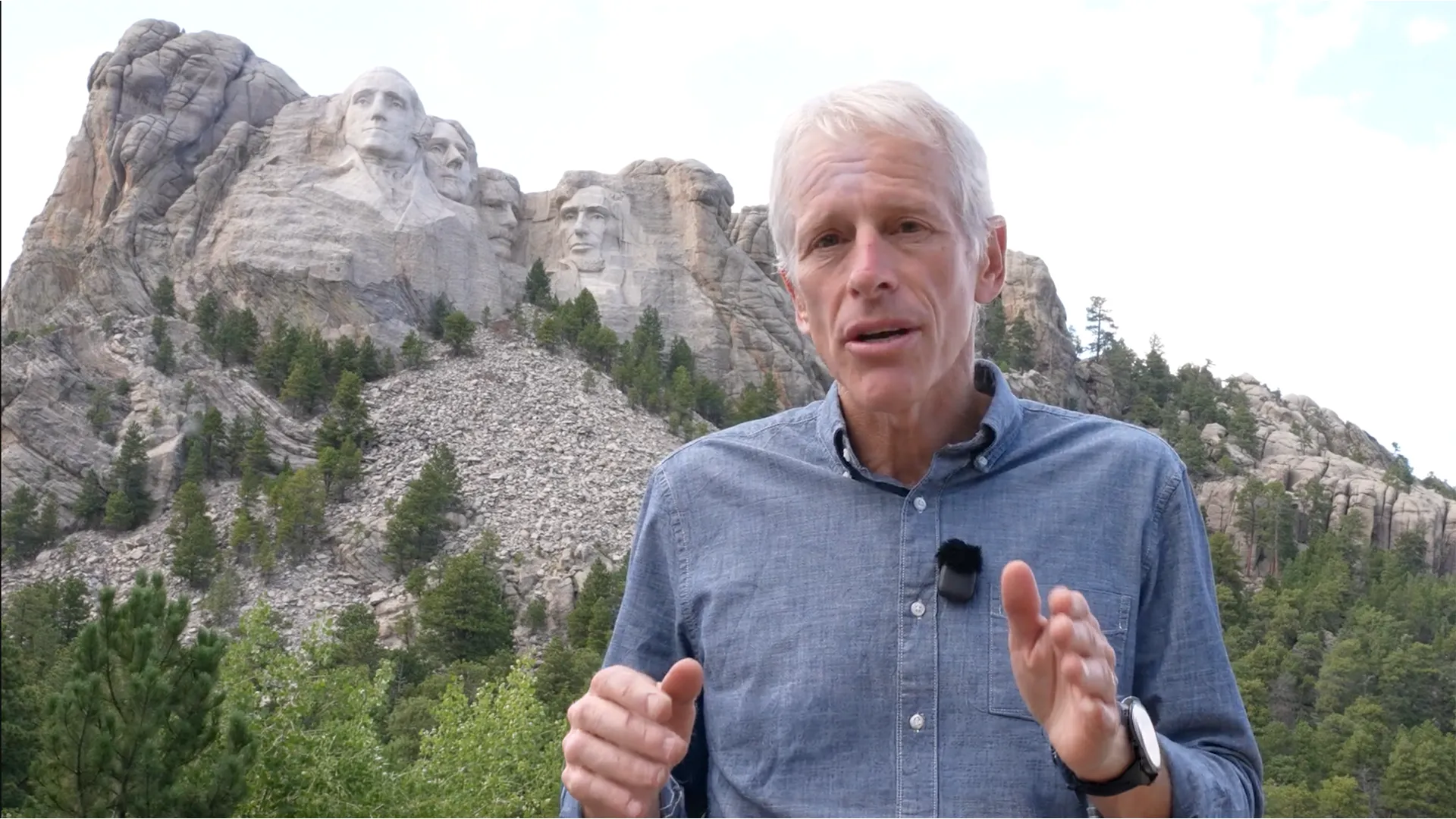
Dakota Gold stock (NYSE American: DC) is the company at the center of Whitney Tilson’s most cinematic pitch yet: a presentation filmed at Mount Rushmore itself, built around the claim that a small South Dakota explorer found “114 tons of the highest-grade gold” in the Black Hills, “almost in the shadows of the presidents’ noses.” If you have seen the video and want to know what is actually true about Dakota Gold, this article walks through the find, the numbers, and the unusually honest way Tilson frames the stock.
What Dakota Gold is
Dakota Gold Corp is a South Dakota gold exploration company working the historic Homestake-adjacent district in the Black Hills, the same ground that produced one of America’s greatest gold mines across more than a century of operation. Tilson’s presentation leans on the romance, and it is genuinely good storytelling: “The sculptor who carved the monument a century ago had no idea there was such vast wealth in the hills near here. And neither did the millions of tourists who come here every year. It was just hidden all this time, invisible to the world.”
The find and the numbers
The claims, quoted from the presentation: “It found 114 tons of the highest-grade gold… That’s roughly a $22 billion payload… or put another way, 64% of all the gold mined in America last year.” The discovery method is the modern part of the story: “Geologists at this firm got access to 145 years of historic records for the area, old maps, drill results, surveys, that kind of thing… The firm put all this historic data into AI-powered mining software… And it uncovered 114 tons of gold.”
Two things to understand about those numbers. First, the $22 billion is an in-ground resource estimate, the value of the metal still in the ground, not cash or revenue. Second, the AI discovery angle is the actual thesis of Tilson’s broader pitch: that machine learning is changing mineral exploration the way it changed every other information-heavy industry, and Dakota Gold’s find is a proof point.
The honesty that makes this pitch unusual
Here is what sets this presentation apart from virtually every gold teaser we have reviewed. Tilson names the company and ticker for free, then tells you not to buy it as his top pick: “First, the firm that discovered gold in the hills around Mount Rushmore is called Dakota Gold and its ticker symbol is DC. It’s an exciting stock, it’s what brought me out into the hills here, but… it won’t start mining its gold find until 2029. That means it’s not producing any revenue yet, so for now I’d just keep an eye on it.” We walk through the specifics in our Dakota Gold Corp: The Free Ticker in the Rushmore Pitch piece.
That is rare candor for the genre. He could have teased DC for months of subscription clicks; instead he gives it away with the production timeline and an explicit demotion. The paid product, a trial of his Commodity Supercycles service, leads with four different picks he argues have “much bigger and faster gains.”
What to watch in Dakota Gold stock
For a pre-production explorer, the price drivers are specific and knowable:
- Resource growth. Drill results that expand the 114-ton estimate, or add new zones in the district. Each update re-rates the in-ground value.
- Permitting and feasibility milestones. The path to that 2029 production date runs through state and federal permits and a feasibility study; each stage de-risks the story.
- Institutional interest. Tilson notes “BlackRock, Vanguard, and other Wall Street firms have been quietly buying this stock. One insider says this ‘is too big to ignore.’” Watch the quarterly 13F filings for the trend.
- The gold price itself. A pre-production explorer rises and falls with the metal; higher gold lifts the in-ground value without the company doing anything.
Tilson’s own framing of the stock as “currently trading for $6” and his hedge that “it probably won’t be for much longer” should be read as promotional urgency around a real number, not a price forecast.
Risks, plainly
Exploration stocks can dilute shareholders to fund drilling. Mine construction overruns are the industry norm. The 2029 timeline means years of financing needs before first revenue. And a single-district explorer carries concentration risk that a diversified producer does not. Tilson’s own demotion of the stock is the correct posture: interesting, watchlist-worthy, not a sprint.
Where to learn more
Tilson’s four AI-miner picks are in the report “AI Miners: Four Stocks Unlocking America’s $200 Trillion Natural Resource Bounty,” included with a Commodity Supercycles trial backed by a 30-day full-refund guarantee at Stansberry Research. For related reading, see our coverage of Tilson’s greatest retirement stock pitch, rare earth stocks from the SpaceX supercycle series, and how to invest in gold mining companies. We break down that angle in our Dakota Gold Stock Price: What Moves a Pre-Production Miner piece.
NewsletterVetter is an independent publication. We receive compensation from some of the services we review through affiliate links. Nothing on this site is investment advice. Always do your own research.