Dakota Gold Stock Price: What Moves a Pre-Production Miner
Dakota Gold (NYSE American: DC) trades around $6 a share, and the single most important thing to understand about its stock price is that the company does not sell anything yet. Dakota Gold is a pre-production explorer: it finds and defines gold deposits, and its value is the market’s estimate of what that gold is worth, discounted by time, risk, and the cost of getting it out of the ground. If you saw Whitney Tilson’s Mount Rushmore presentation and are trying to figure out what would move DC from here, this is the framework.
What the company has, in numbers
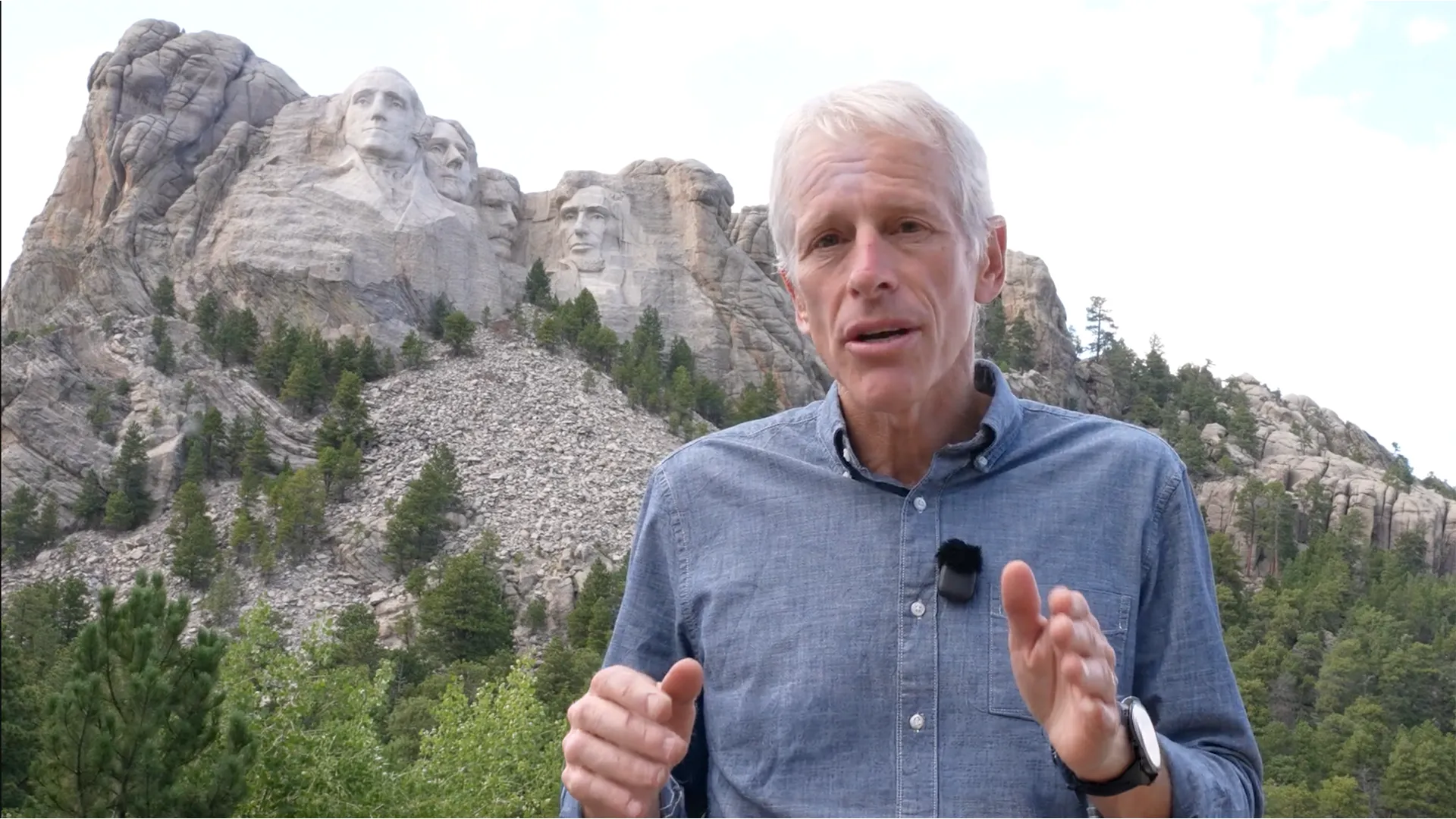
Tilson’s presentation claims Dakota Gold “found 114 tons of the highest-grade gold” in the Black Hills, “roughly a $22 billion payload… or put another way, 64% of all the gold mined in America last year.” The find came from an unusually modern method: “Geologists at this firm got access to 145 years of historic records for the area… The firm put all this historic data into AI-powered mining software… And it uncovered 114 tons of gold.”
That $22 billion figure is an in-ground estimate, not cash. But for a pre-production miner, the in-ground estimate is the entire story, because it is the input to everything downstream: the feasibility study, the financing, the mine construction, and eventually the revenue that Tilson projects as “hundreds of millions of dollars every year… for the next 28 years,” starting when production begins, which he dates to 2029.
The five drivers of a pre-production stock price
1. Drill results. Every new hole either expands the resource estimate or confirms the geologic model. Resource growth is the cleanest re-rating catalyst an explorer has, and Dakota Gold’s district, adjacent to the historic Homestake mine, has room for step-out discoveries.
2. Milestone progression. The path from resource to mine runs through preliminary economic assessments, feasibility studies, and state and federal permits. Each completed stage removes risk, and markets pay for removed risk. Watch for a feasibility study on the timeline toward 2029 production.
3. Financing events. Explorers fund drilling and studies by issuing shares. Dilution is the chronic headwind on pre-production stock prices; a well-timed financing at higher prices is a signal of institutional confidence, while repeated small raises at discounts grind the price down.
4. The gold price. With no revenue, DC’s asset value floats with the metal. A rising gold price lifts the in-ground value dollar for dollar without the company lifting a finger; a falling one does the reverse.
5. Attention and sponsorship. Tilson notes “BlackRock, Vanguard, and other Wall Street firms have been quietly buying this stock. One insider says this ‘is too big to ignore.’” Institutional sponsorship, visible in quarterly 13F filings, gives an explorer a shareholder base that holds through quiet periods.
Tilson’s own honest framing
What makes this pitch unusual in the gold-teaser genre is that Tilson gives the ticker away and then deliberately cools expectations: “It’s an exciting stock, it’s what brought me out into the hills here, but… it won’t start mining its gold find until 2029. That means it’s not producing any revenue yet, so for now I’d just keep an eye on it. Especially as I’ve uncovered four stocks… that I believe could see much bigger and faster gains.” Most publishers tease the miner for months; Tilson demotes his own headliner and sells the theme instead. His four picks are in “AI Miners: Four Stocks Unlocking America’s $200 Trillion Natural Resource Bounty,” included with a trial of Commodity Supercycles under a 30-day full-refund guarantee.
His urgency line, that the $6 price “probably won’t be for much longer,” should be read as promotional framing; but the underlying drivers above are the real, checkable forces.
Risks, plainly stated
Mine construction historically overruns budgets and schedules; 2029 could slip. Pre-production miners can dilute heavily between now and first gold. A single-district explorer carries geological concentration risk. And the in-ground estimate can shrink as well as grow when drilling adds data. None of this makes Dakota Gold unattractive; it defines what kind of holding it is: a patient, milestone-driven speculation, not a sprint trade.
Questions readers ask about Dakota Gold’s stock
What does the company actually have? A 114-ton high-grade gold deposit in the Black Hills of South Dakota, found by feeding 145 years of archival mining records into AI-powered mining software, about a $22 billion payload at the presentation’s framing, or 64% of all gold mined in America last year. The company is publicly listed as Dakota Gold, ticker DC, and Tilson names it for free on camera at Mount Rushmore.
What drives a pre-production stock price? Resource estimate growth, development milestones like permits and feasibility studies, gold’s own price, and sentiment. Tilson’s framing of the find, “hundreds of millions of dollars every year… for the next 28 years,” is a mine-plan extrapolation contingent on all four, and his stated timeline is the number that governs everything: mining does not start until 2029.
Why does Tilson name it and then not recommend it? Because that is the honest structure of the pitch. He calls DC “an exciting stock,” then says “it won’t start mining its gold find until 2029. That means it’s not producing any revenue yet, so for now I’d just keep an eye on it.” The free name is a watch-list stock, and his four paid picks, operating miners with current production, are where he wants subscribers’ money. That expectation management is the most credible move in the whole presentation. Our full Rushmore gold review covers the company, the offer, and the Commodity Supercycles bundle in detail.
Where to learn more
For the full story of the find, see our companion article on Dakota Gold stock and the Rushmore pitch. For the sector context, read how to invest in gold mining companies and our rare earth stocks explainer. Stansberry Research’s 27-year history is covered in our publisher profile. The details are in our Dakota Gold Corp: The Free Ticker in the Rushmore Pitch article. Our Dakota Gold Stock: The $6 Miner Near Mt. Rushmore explainer covers this in detail.
NewsletterVetter is an independent publication. We receive compensation from some of the services we review through affiliate links. Nothing on this site is investment advice. Always do your own research.