How to Profit From Elon Musk’s Terafab, Per the presenter
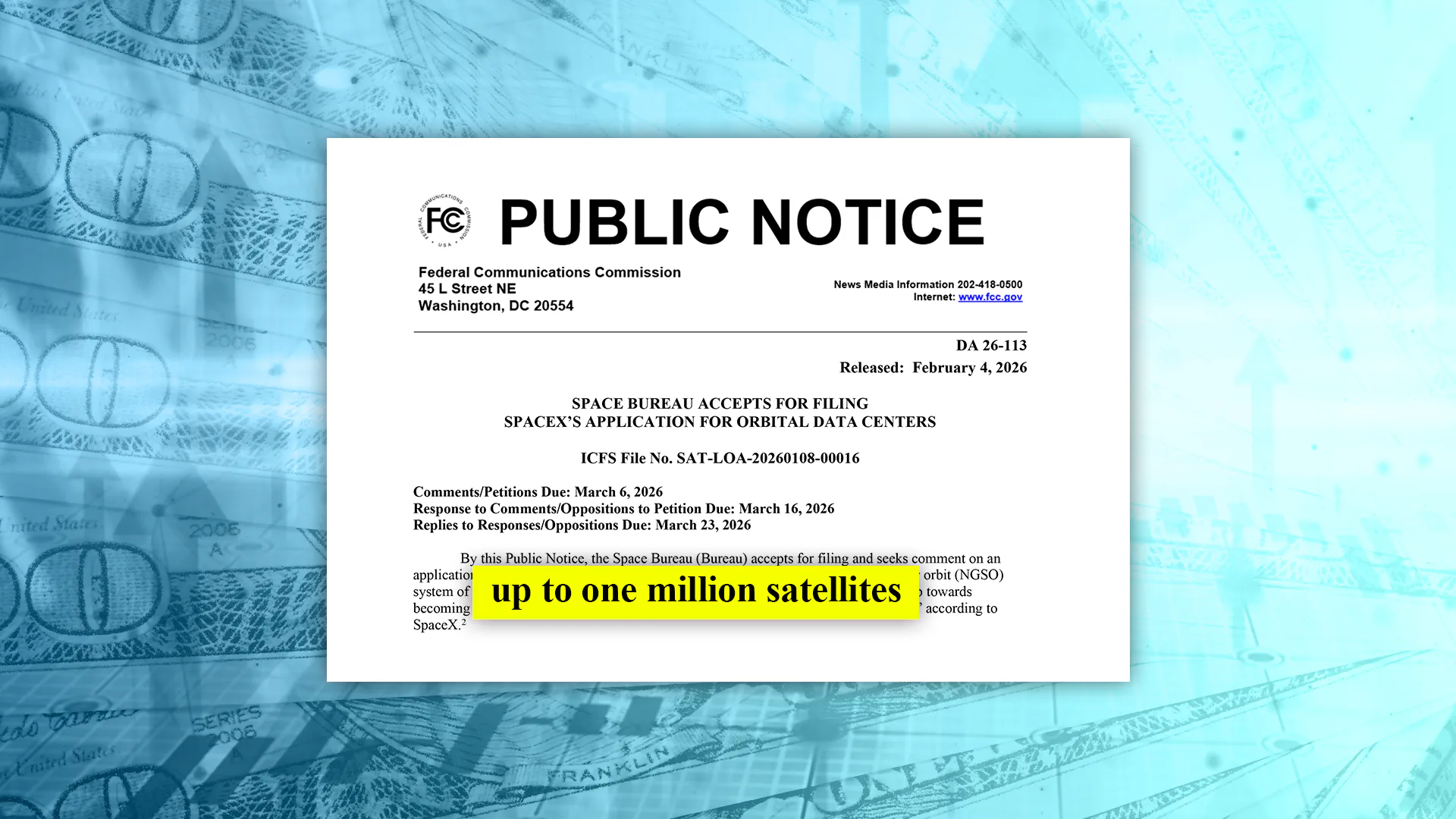
Terafab is Elon Musk’s $119 billion semiconductor manufacturing plant in Texas, and if the number alone does not get your attention, the ambition should: “up to 200 billion chips per year… almost 10 times more than what Taiwan Semiconductor makes.” That is the presenter’s description, from his current One Stock Retirement Plan presentation for Brownstone Research, and it is grounded in a document he holds up on camera: “a Texas government document confirming Elon Musk is building a $119 billion semiconductor manufacturing plant. He calls it Terafab… set to be the world’s largest and most advanced chip-making operation.” Bonus Report #3 of the offer, “How to Profit from Elon Musk’s New Terafab Project,” is the playbook for investing around it. There is more on this in our Elon Musk’s Terafab Chip Factory: The Texas Project article. For the full backstory, see our Jeff Brown’s Elon Musk Moonshot Report: What’s Inside article.
Why Terafab changes the chip map
The global semiconductor industry has concentrated fabrication in Taiwan for decades, and Terafab is the most aggressive American attempt yet to change that. Brown’s first-hand account adds credibility to the paper record: “I was actually invited to visit the Texas Gigafactory recently. And while I was there, I drove to the site where they’re building Terafab… so I can tell you from first-hand experience that this project is well under way.”
The plant’s output target, 200 billion chips a year, feeds directly into Brown’s broader thesis. The chips are destined for the inference workloads of Accelerated AI, running inside Tesla’s robots and vehicles, Musk’s Starmind satellite network, and the data centers of Musk’s AI operation. In Brown’s framing, Terafab is the manufacturing layer of what he calls Manifested AGI, intelligence embedded in physical machines.
The Terafab supplier pick
Bonus Report #3 targets “a little-known company that I believe will provide Elon with those machines,” meaning the semiconductor manufacturing equipment that a fab cannot be built without. Brown says the company “already been approached by Tesla to supply semiconductor manufacturing equipment,” and adds a validation marker: “at least 26 brokerage firms on Wall Street recently raised their price target” on the stock.
This is the same equipment-supplier logic that has historically produced some of the semiconductor industry’s best long-term runs. Every fab built, regardless of whose logos sit on the chips, routes capital through a small set of equipment makers. A 200-billion-chip-per-year plant is a multiyear equipment purchase of extraordinary size. The supplier profile, already engaged by Tesla and covered by more than two dozen bullish analyst revisions, is the picks-and-shovels expression of the Terafab story.
Brown’s standing to make this call
The equipment-supplier screen is not a generic analyst’s guess. Brown spent over a decade as a senior executive at Qualcomm and NXP Semiconductors, and before that at Juniper Networks. As the presentation puts it, “for over a decade… I was a senior executive at two of the most important chip companies in history… Qualcomm and NXP Semiconductors… I know the chip industry like the palm of my hand.” He has consulted with the Department of Commerce, NIST, and the Defense Intelligence Agency, and his documented calls include Nvidia in 2016, tied to the launch of the Pascal chip, “45 times more powerful than traditional computer chips,” before a run that reached as high as 37,800%.
The honest caveats: the Terafab report is the third pick of three, and the “approached by Tesla” language describes a supply relationship in formation, not a booked contract with disclosed revenue. The performance framing in the presentation, including angel returns “as high as… 11,011%,” represents best-case outcomes. The baseline disclosure a subscriber should weight is Brown’s own: “the average gain since inception for The Near Future Report is 39.4%.”
What this means for investors
Terafab is the demand-side anchor of Brown’s whole pitch. The Texas facility is a $119 billion semiconductor manufacturing plant with a stated ambition of producing up to 200 billion chips per year, and Brown says he drove to the site during a visit to the Texas Gigafactory and saw the project under way firsthand. A buildout of that scale needs an enormous supply chain, and the “How to Profit from Elon Musk’s New Terafab Project” report focuses on a semiconductor-equipment supplier Brown says has already been approached by Tesla, with at least 26 Wall Street brokerage firms recently raising their price targets on it.
The honest way to size this one is as a pick-and-shovels play on a government-documented project rather than a bet on a single product. Equipment suppliers to giant fabs historically ride the construction cycle, not the headline chip, which is the same logic that made suppliers the steady winners of the smartphone and EV buildouts. The risk is timing: megafab construction timelines slip, and supplier revenue follows the construction calendar, not the announcement calendar.
Questions readers ask
How does the Terafab pick relate to the golden tablet pick? They are separate companies in separate reports. The golden tablet company is the inference-hardware play at the center of the presentation; the Terafab report covers an equipment supplier further up the chain. Both come with the same $179 Near Future Report trial, and Brown’s stated catalyst, the November 11 reveal he ties to an Amazon deal announcement, applies to the flagship pick, not this one.
Is the November 11 date reliable? Treat it as a marketing deadline rather than a company catalyst. It ties a personal buying deadline to Musk’s announcement calendar, which is the part of the pitch we weight least. The supplier’s own fundamentals, not the date, are what carry the thesis. Our full review separates the checkable claims from the manufactured urgency in detail.
Where to learn more
For related coverage, see our Near Future Report 10x Project coverage, the the presenter profile, and Brown’s research on Terafab in his Xpanse-era work. The Terafab report is Bonus #3 in the One Stock Retirement Plan package, included with the $179 discounted first year of The Near Future Report and covered by the 30-day full-refund guarantee.
NewsletterVetter is an independent publication. We receive compensation from some of the services we review through affiliate links. Nothing on this site is investment advice. Always do your own research.