Is Elon Musk Starting a New Phone Company?
Is Elon Musk starting a new phone company? On the record, no: he called the Wall Street Journal’s report of a SpaceX phone prototype “utterly false,” and denied it to Reuters as well. But the question everyone shopping the Starphone thesis is really asking is different: is Musk assembling the pieces a phone company would require, even if the thing he builds does not look like a phone company? That is Josh Baylin’s argument in his Stansberry Research presentation, and the paper trail he walks is worth examining piece by piece, because most of it is public record. There is more on this in our Elon Musk’s Satellite Phone: The Direct-to-Cell Story article. There is more on this in our The First Truly Physical AI Device, Explained article.
The four pieces of the trail
The spectrum. SpaceX “bought exclusive-use, nationwide spectrum from EchoStar. For $17 billion.” Exclusive nationwide spectrum is the single most expensive input in consumer wireless, and carriers spend decades amortizing theirs. A satellite operator buying it outright is announcing intent to serve devices on the ground, at scale. When the purchase hit, EchoStar’s own shares “went from $15 to $127 in less than a year.”
The trademarks. On the same day, SpaceX filed two trademarks: “Starlink Mobile” and “Powered by Starlink.” A third, “Starmind,” covers the new class of compute satellites. Companies file trademarks constantly, but filing mobile-service marks on the same day as a $17 billion spectrum purchase is a pattern, not a coincidence.
The filings. SpaceX’s SEC IPO paperwork describes a next-generation direct-to-smartphone service “on par with terrestrial mobile networks.” That is regulatory language, not marketing language, and it commits the company to a performance standard for phone-to-satellite service.
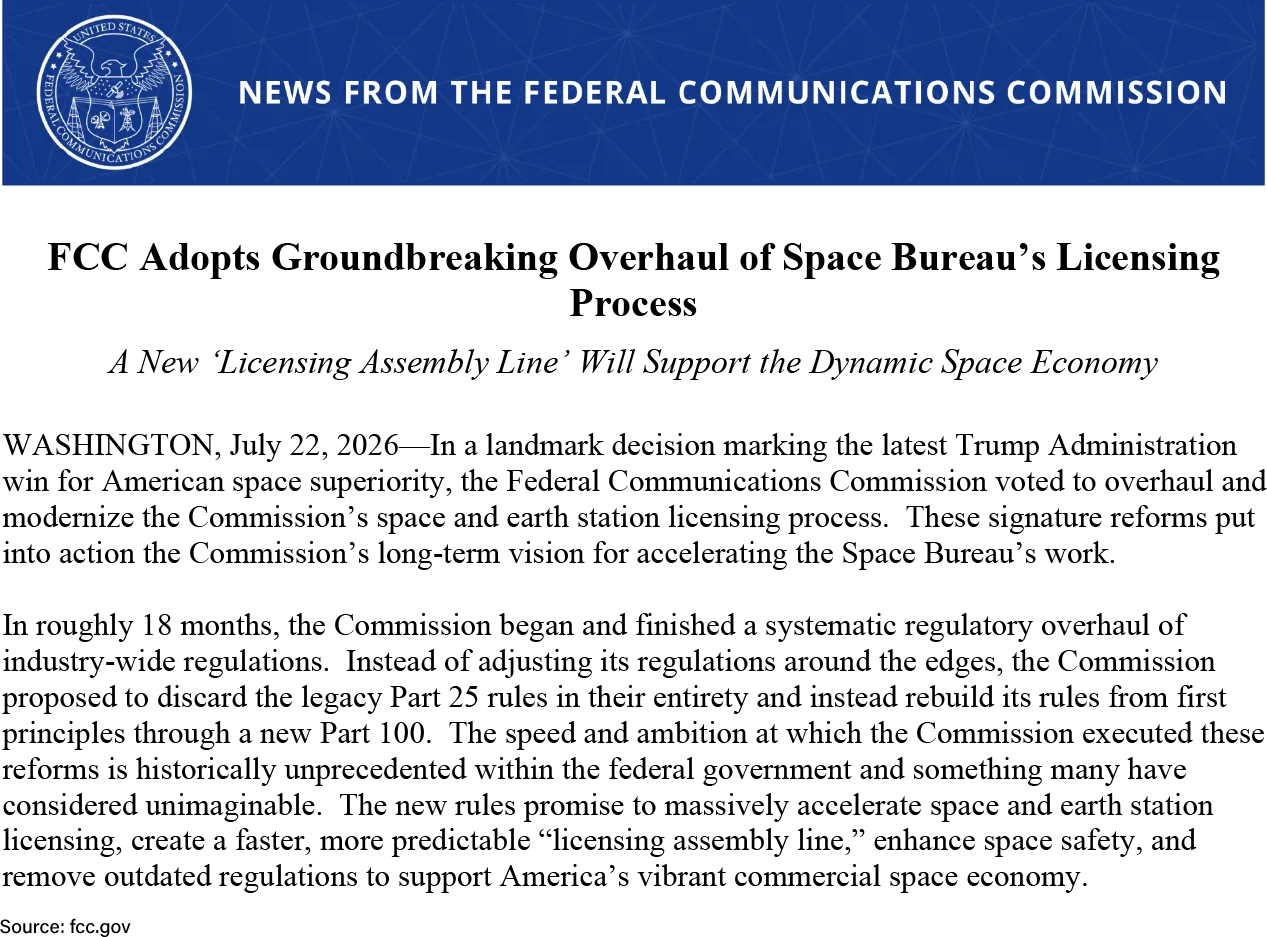
The infrastructure. Starlink now makes up “69% of SpaceX’s revenue.” The FCC “just approved new rules to make satellite licensing faster and easier” and permitted 15,000 next-gen satellites, “each about 20 times better than current capacity.” The compute layer, the AI1 orbital data-center satellite with “the wingspan of a Boeing 747” and Google paying “$920 million a month” for capacity through 2029, already exists as a business.
The denial, taken seriously
To his credit, Baylin does not claim Musk is lying. His read is a “semantic loophole”: “He’s letting you assume ‘phone’ means what it’s always meant. Meanwhile, he’s likely building something totally new.” The precedents from Musk’s own vocabulary: “He doesn’t call Tesla a car. He calls it a ‘robot on wheels’… He doesn’t call Cybertruck a truck. He calls it ‘an armored personnel carrier from the future.’” Musk’s Joe Rogan description of the end-state device, “The phone will just display the pixels and make the sounds,” describes an endpoint for orbital compute rather than a conventional handset.
Baylin’s own boundary is the honest one: “I think he’s telling the truth! I don’t think there’s a finished phone sitting in a drawer at SpaceX headquarters right now. But everything required to build one… that’s already been filed, funded, and built.” And the presentation states it plainly: “Now, Elon Musk hasn’t confirmed that a Starphone is coming, of course.”
What it means for investors
The investment question does not actually require the phone to exist. Every piece of the trail above, spectrum, satellites, orbital compute, licensing, is being built and paid for today, and suppliers to that buildout earn revenue on it regardless. That is why Baylin’s free pick is Qualcomm, “already tapped… to build satellite connectivity into their future devices,” and why his paid supplier list targets component makers “under $100” rather than SpaceX itself, which he explicitly declines to recommend. The “50 times their money” upside case requires a launch; the supplier case only requires the buildout to continue, which the FCC rulings and next-gen satellite deployments make the dated, checkable catalysts to watch.
Questions readers ask about a Musk phone company
Which Musk company would build the phone? The evidence points to SpaceX, not Tesla. The spectrum was bought by SpaceX, the “Starlink Mobile” and “Powered by Starlink” trademarks were filed by SpaceX, and the satellite constellation that would carry the service belongs to SpaceX. Baylin is explicit that he is not recommending SpaceX itself, in part because it is private and, in his words, “bogged down with speculative money.”
Why did Musk deny the prototype story? The Wall Street Journal reported that SpaceX debuted a phone prototype ahead of its IPO, Reuters followed, and Musk called the story “utterly false.” Baylin takes the denial at face value and reframes it as the semantic loophole: there may be no finished phone in a drawer at SpaceX headquarters, but the spectrum, chips, trademarks, and legal groundwork are already filed, funded, and built. Jobs denied the iPhone was coming too.
What is the actual investable angle? The suppliers. Qualcomm, with its announced satellite-chip partnership, is the free pick; the under-$100 supplier names with close to a decade of SpaceX hardware history sit in the paid report. The device rumor is the narrative; the supplier receipts are the trade. We sort the layers in our full Starphone review, including the Starmind compute layer that adds a second revenue stream beyond phones entirely.
Where to learn more
See our related coverage of the Xphone partner thesis, how to invest in Starlink before it goes public, and the Stansberry Research publisher profile. The full presentation is at the Stansberry offer page, discounted with a 30-day full-refund guarantee.
NewsletterVetter is an independent publication. We receive compensation from some of the services we review through affiliate links. Nothing on this site is investment advice. Always do your own research.