The Tesla Pi Cell Phone: Rumor vs. the Starphone Story
The Tesla Pi cell phone is one of the internet’s most persistent tech rumors: a fan-concept device with solar charging, satellite connectivity, and Neuralink integration, rendered in impressive mockups that circulate endlessly. Tesla has never announced a phone. But the rumor has a real kernel, because a satellite-native phone story is genuinely unfolding, at SpaceX rather than Tesla, and analysts like Josh Baylin of Stansberry Research have built a serious investment case around it. This article separates the rumor from the evidence.
The rumor, sorted
Start with what does not exist: any Tesla phone division, filing, or hiring pattern. The “Pi phone” and “Model P” names come from fans extrapolating Tesla’s vehicle naming, and the concept renders are pure imagination. Musk has occasionally joked about building a phone to spite Apple and Google; jokes are not product plans.
Now what does exist, per the evidence assembled in Baylin’s “Starphone” presentation:
- The Wall Street Journal reported SpaceX debuted a phone prototype to investors ahead of its IPO; Reuters reported similarly; Musk called the story “utterly false.”
- SpaceX “bought exclusive-use, nationwide spectrum from EchoStar. For $17 billion.” Licensed spectrum is the hard part of any phone business, and nobody buys it for fun.
- Trademarks filed the same day for “Starlink Mobile” and “Powered by Starlink,” plus “Starmind” for compute satellites.
- SpaceX’s SEC IPO paperwork describes a next-generation direct-to-smartphone service “on par with terrestrial mobile networks.”
- Qualcomm and MediaTek deals to build satellite connectivity into future phones.
- Starlink Direct to Cell texting, live with T-Mobile today.
Why “SpaceX, not Tesla” makes sense
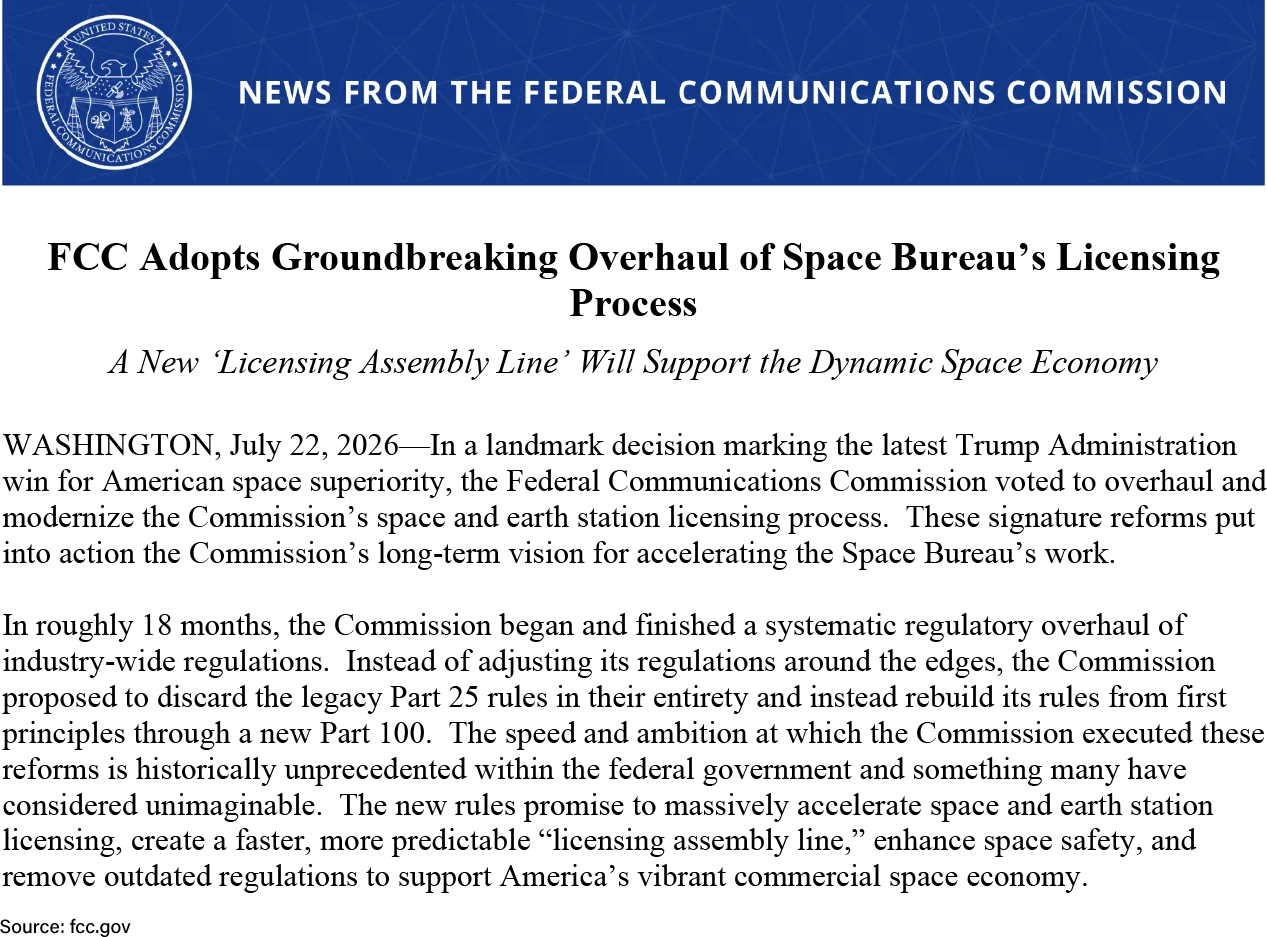
The rumor attached the phone to Tesla because Tesla is the consumer brand, but the infrastructure argues for SpaceX: Starlink already made up “69% of SpaceX’s revenue” in Q1 2026 per the presentation; Direct to Cell “turns Starlink’s satellites into cell towers”; and the FCC’s new rules make “satellite licensing faster and easier.” A phone that works anywhere on Earth without a carrier is a satellite company’s product, not a car company’s. Baylin’s reading of Musk’s denials, the “semantic loophole,” is that the eventual device may not be a conventional “phone” at all: “He’s letting you assume ‘phone’ means what it’s always meant. Meanwhile, he’s likely building something totally new.”
The investable layer
Since neither a Tesla phone nor a confirmed Starphone can be bought today, the trade is the supplier chain that gets paid as the network scales. Baylin’s free pick is the chip connection: “I think everyone watching should put a little bit of money in Qualcomm. Ticker Q-C-O-M… it’s already tapped Qualcomm, which is a chipmaker, to build satellite connectivity into their future devices. So, when Starphone finally launches… there’s a real chance it runs through Qualcomm’s satellite chip.”
His historical framing for supplier upside is the smartphone transition’s supply chain: Skyworks “up as much as 491%,” Cirrus Logic “as high as 489%,” Motorola’s quadruple in the early 90s. The supplier list, including a company that “has supplied hardware to SpaceX for close to a decade,” is in “Elon Musk’s AI Phone Supplier List,” included with a trial of the True Innovations Report under Stansberry’s 30-day full-refund guarantee.
Considerations
Two standing cautions. Any site selling “Tesla Pi phone” preorders, allocations, or investment access is a scam, without exception. And the base case for the supplier thesis does not require the phone: satellite connectivity is already shipping in phones, cars, and aircraft, which means component suppliers are already getting paid, with the dedicated device as upside rather than foundation. Baylin’s own 50x headline, “by the time Starphone launches, if you own the right stocks,” is the best-case scenario layered on top of that base case. Our When Will the Tesla Pi Phone Be Available? Facts So Far explainer covers this in detail. The details are in our Where Can You Buy the Tesla Pi Phone? The Honest Answer article.
Questions readers ask about the Tesla Pi phone
Does a Tesla Pi phone exist? No confirmed product, no announced release date, and no price. What exists is a paper trail at SpaceX: the $17 billion exclusive nationwide spectrum purchase from EchoStar, the same-day “Starlink Mobile” and “Powered by Starlink” trademark filings, and the Starmind compute-satellite program. Musk denied the prototype story reported by the Wall Street Journal and Reuters, and the presentation quotes the denial.
Why do people call it a Tesla phone? Habit and brand gravity. The phone rumors have circled Tesla for years, but every checkable filing in this story sits at SpaceX, which is also where Starlink, Grok, and the Direct-to-Cell constellation live. Treating it as a SpaceX story rather than a Tesla story matters, because Tesla shareholders have no exposure to any of it.
How would you invest it if it is real? Not by buying the device-maker, which is private and unconfirmed, but through the supplier layer. Qualcomm, the free pick, has an announced partnership to put satellite connectivity into future phones, and Baylin’s paid list holds the smaller suppliers, most under $100, with up to a decade of SpaceX hardware history. The honest frame is Baylin’s own hedge: “Now, Elon Musk hasn’t confirmed that a Starphone is coming, of course.” Our full Starphone review covers the whole evidence trail.
Where to learn more
For the full evidence trail, see Oxford’s take on Musk’s secret phone partner, the FCC filing behind Musk’s million-satellite plan, and orbital data centers as a theme. Stansberry’s history is in our publisher profile.
NewsletterVetter is an independent publication. We receive compensation from some of the services we review through affiliate links. Nothing on this site is investment advice. Always do your own research.