When Will the Tesla Pi Phone Be Available? Facts So Far
When will the Tesla Pi phone be available? Never, if you mean the fan-concept device that has circulated in renders for years, because Tesla has never announced a phone. But there is a real satellite phone story unfolding at SpaceX, Musk’s other company, and the timeline question has a genuine answer if you ask it about the right thing: the network is available in stages now, the filings point to a device, and no launch date exists because Musk has denied the project while building its infrastructure. Here are the facts in order. The details are in our The Tesla Pi Cell Phone: Rumor vs. the Starphone Story article. We walk through the specifics in our Where Can You Buy the Tesla Pi Phone? The Honest Answer piece.
What does not exist
The “Tesla Pi phone” or “Tesla Model P” is a fan-made concept: renders showing a phone with solar charging, satellite connectivity, and Neuralink integration. Tesla has no phone division, no product filing, no hiring pattern, and no supply-chain footprint for a handset. Musk has occasionally joked about building a phone, usually aimed at Apple and Google, but no Tesla phone has ever been in development as far as any verifiable record shows.
What does exist
The evidence trail assembled in Josh Baylin’s “Starphone” presentation for Stansberry Research points at SpaceX, and it is worth listing plainly:
- The Wall Street Journal reported SpaceX debuted a phone prototype to investors ahead of its IPO; Reuters reported similarly in February; Musk called the story “utterly false.”
- SpaceX “bought exclusive-use, nationwide spectrum from EchoStar. For $17 billion” - the scarce asset no one buys without a service in mind.
- Trademarks were filed the same day for “Starlink Mobile” and “Powered by Starlink.”
- SpaceX’s SEC IPO paperwork describes a next-generation direct-to-smartphone service “on par with terrestrial mobile networks.”
- Qualcomm and MediaTek have signed deals to build satellite connectivity into future phones.
- Starlink’s Direct to Cell service already carries text messaging for ordinary phones through T-Mobile.
The honest timeline, rung by rung
Since no device is announced, the useful timeline is the network’s, and it is concrete:
- Now: satellite texting on ordinary phones via Starlink and T-Mobile, plus aviation connectivity. This is live.
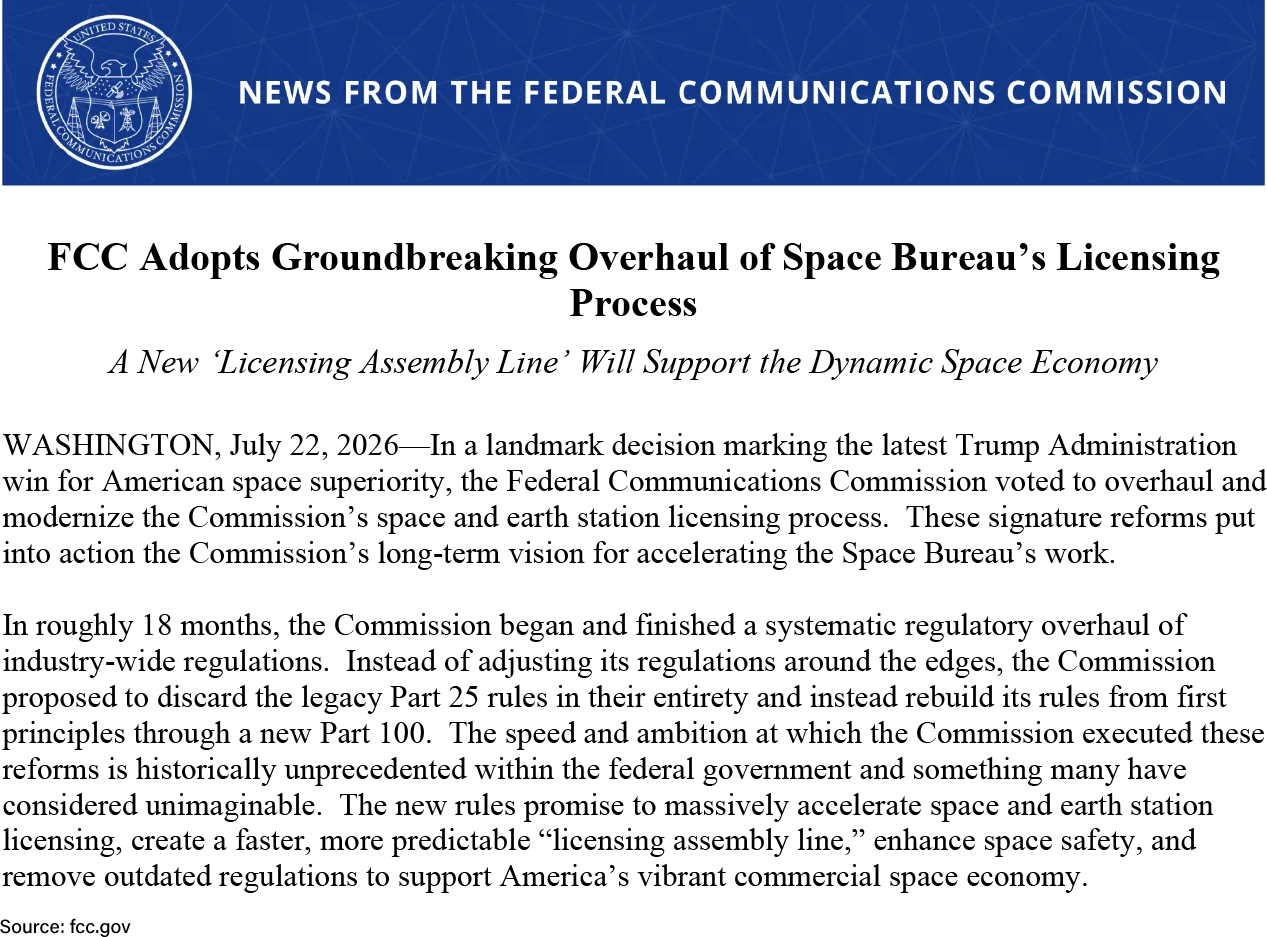
- Rolling out: roughly 15,000 next-generation Starlink satellites, “each about 20 times better than current capacity,” per the presentation, with the FCC writing new rules making “satellite licensing faster and easier.”
- Next: voice service, then meaningful data for phones, the rung the IPO paperwork’s “on par with terrestrial mobile networks” phrase describes as a target.
- Unconfirmed: a dedicated Musk phone, the “Starphone” of Baylin’s thesis. His framing: “I don’t think there’s a finished phone sitting in a drawer at SpaceX headquarters right now. But everything required to build one… that’s already been filed, funded, and built.” He speculates the announcement could come “with a single post on X any day now,” which is a hope, not a date.
Why Baylin reads the denials as strategy
The presentation’s most-cited idea is the “semantic loophole”: “He’s letting you assume ‘phone’ means what it’s always meant. Meanwhile, he’s likely building something totally new.” Musk’s own product naming supports the point: he calls Tesla “a robot on wheels” and the Cybertruck “an armored personnel carrier from the future.” If the eventual device is a satellite-native AI terminal rather than a conventional smartphone, the denial and the product can both be true. The precedent Baylin cites: “Keep in mind, Jobs denied the iPhone was coming, too… Just like Musk is doing.”
How to invest the wait
Since there is nothing to preorder and no ticker for the phone itself, the investable surface is the chain that gets paid while the network scales. Baylin’s free pick: “I think everyone watching should put a little bit of money in Qualcomm. Ticker Q-C-O-M… there’s a real chance it runs through Qualcomm’s satellite chip.” His supplier list, including a company that “has supplied hardware to SpaceX for close to a decade,” comes with a trial of the True Innovations Report under a 30-day full-refund guarantee. One standing warning: any site taking preorders or selling “Pi phone” allocations today is a scam, not an investment.
Questions readers ask about the timeline
What is the honest availability answer? There is no availability date, because there is no confirmed product. Musk denied the prototype story reported by the Wall Street Journal and Reuters, and the presentation quotes his “utterly false” response. Any timeline you see is a guess dressed as a schedule.
What can be dated instead? The infrastructure. The $17 billion EchoStar spectrum purchase, the same-day trademark filings, the roughly 15,000 next-gen satellites starting to come online, and the Google compute contract running through 2029 are all on real calendars. The device follows the infrastructure, not the other way around, which is why Baylin’s watch list is the docket and the filings rather than the rumor mill.
What happens to the suppliers when a date appears? The Nokia precedent is the historical guide: shares went from around $3 to nearly $35 practically overnight on antenna-placement news. That is the asymmetry Baylin is positioning for. Our full review covers the evidence.
Where to learn more
See our article on Musk’s secret phone partner from the Oxford series for the supplier angle, plus the FCC filing behind Musk’s million-satellite plan and orbital data centers. Stansberry’s background is in our publisher profile.
NewsletterVetter is an independent publication. We receive compensation from some of the services we review through affiliate links. Nothing on this site is investment advice. Always do your own research.