American Rare Earths News: The Wyoming Deposit Story
American rare earths news has been dominated for the past couple of years by one story: the discovery that old, written-off coal country in Wyoming sits on commercially significant rare earth deposits, found not with a pickaxe but with artificial intelligence and Department of Energy surveys. It is also the anchor case study in Whitney Tilson’s “$6 Miner / Rushmore Gold” presentation for Stansberry Research, which uses it to argue that AI-driven exploration is rewriting American resource maps. If you are trying to catch up on the rare earths story and what it means for investors, this is the honest version. Our Canadian Rare Earth Stocks Worth Knowing explainer covers this in detail. The details are in our Rare Earths Stocks: A Plain-English Investor Guide article.
The Wyoming story, in brief
The signature case is the Powder River Basin. Randall Atkins bought a 100-year-old coal mine in Sheridan County, expecting, in his own framing, a modest retirement venture. Then Department of Energy scientists arrived, “using a new kind of AI that predicts where ‘unconventional’ deposits of natural resources are,” as Tilson’s presentation puts it. The result: “When Randall started digging, he found 1.7 million tonnes of rare earths, worth about $37 billion… Enough of these essential resources to supply the entire U.S. for more than 100 years.”
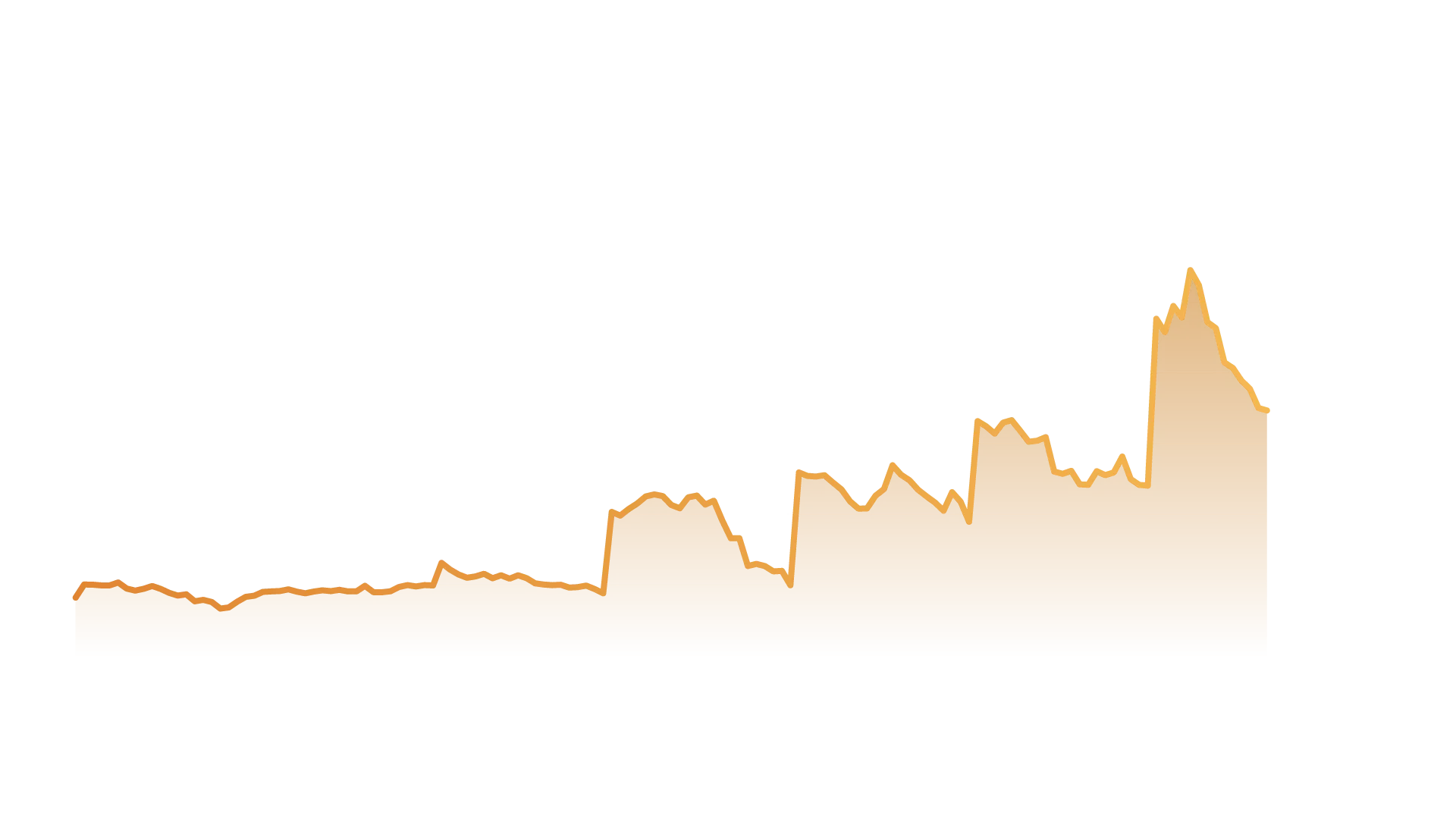
His company, Ramaco Resources (METC), became the public-market vehicle for the discovery, and the presentation cites the stock run: “anyone holding his stock in his small company, Ramaco Resources, would have made 773% in a little more than six months… Turning every $10,000 invested into $87,300.” The find mattered beyond one ticker: it demonstrated that rare earths, the metals behind magnets, motors, and defense systems, exist in unconventional geology, old coal ash and mine overburden, that a century of conventional exploration never mapped.
Why the news flow keeps building
The Wyoming discovery sits inside a much larger policy and technology shift, and the checkable pieces are worth listing:
- The Pentagon’s MinMod system, which Tilson cites, “mapped out 670,000 mineral sites across America… Including 184,000 gold sites,” 100,000 silver sites, and 93,000 copper sites, an AI-driven census of domestic mineral potential.
- Project Vault, described in the pitch as “a $12 billion mineral stockpile,” the federal buying program intended to create a floor under domestic production.
- The import-dependence numbers: the presentation states “We are 100% reliant on imports for 16 of our most important commodities,” and that China “has us in a ‘chokehold’” on several, including more than half of our antimony. Tungsten sits in the same import-dependency bucket, and Angel Publishing’s “Disappearing War Metal” pitch covers the three stocks teased for that supply shock.
- The AI exploration stack: private companies like KoBold Metals, backed by “Jeff Bezos, Bill Gates, Mark Zuckerberg, Sam Altman, Marc Andreessen, Michael Bloomberg, and Jack Ma,” now valued at nearly $3 billion, are industrializing AI prospecting. Earth AI’s hit rate, per the presentation, is 75%, “150 times the industry average.”
Tilson’s macro claim, sourced to Interior Secretary Doug Burgum, is a “$200 TRILLION payload” of American mineral wealth. Read that carefully: it is an in-ground resource estimate, not investable market value, and Tilson himself attributes it rather than asserts it.
The companies in the news flow
Public names in the American rare earths story cluster into three groups. Producers and developers with defined deposits, where Ramaco sits after Wyoming, alongside names like MP Materials on the processing side and Energy Fuels in the suite of critical minerals. Explorers using AI on historical data, the Dakota Gold (DC) model: geologists fed “145 years of historic records” into “AI-powered mining software” and “uncovered 114 tons of gold” near Mount Rushmore. And the downstream story, the separation and processing capacity that remains the true bottleneck, since mined ore is not usable magnet metal until it is separated, which is where China’s dominance actually lives.
Considerations for investors
Rare earths pricing is opaque and politicized; the metals are less liquid than gold or copper, so equity stories can run far ahead of commodity fundamentals. Many developer stories carry single-deposit risk, permitting timelines measured in years, and financing needs between here and production. The policy support is real but slow-moving, and price floors can be revised by future administrations. The Ramaco example shows the upside when the pieces align; the sector’s long history of stalled projects shows the base rate.
Where to learn more
Tilson’s four resource picks are in “AI Miners: Four Stocks Unlocking America’s $200 Trillion Natural Resource Bounty,” included with a trial of Commodity Supercycles under a 30-day full-refund guarantee. For related reading, see our rare earth stocks explainer, the critical minerals overview, and our coverage of Dakota Gold, the free ticker in Tilson’s pitch.
NewsletterVetter is an independent publication. We receive compensation from some of the services we review through affiliate links. Nothing on this site is investment advice. Always do your own research.