Qualcomm and SpaceX: The Starphone Chip Connection
The single most concrete, actionable fact in Josh Baylin’s Starphone presentation for Stansberry Research is a free recommendation: “I think everyone watching should put a little bit of money in Qualcomm. Ticker Q-C-O-M.” In a presentation built around unnamed supplier lists and a denied device, the Qualcomm call is the anchor investors can evaluate today, and the reasoning behind it says a lot about how the whole Direct-to-Cell shift is likely to unfold.
The contract that grounds the thesis
Baylin’s case rests on an established commercial relationship, not speculation: “SpaceX is bogged down with speculative money. Meanwhile, it’s already tapped Qualcomm, which is a chipmaker, to build satellite connectivity into their future devices. So, when Starphone finally launches… there’s a real chance it runs through Qualcomm’s satellite chip. I think the stock could easily double over the next few years.”
The “speculative money” point is Baylin’s own hedge on the headline name, and it is well taken. SpaceX is private, pre-IPO, and priced for perfection. Qualcomm, by contrast, is a liquid mega-cap with a real seat at the table: it builds modem and RF silicon, and satellite connectivity into mainstream phones is precisely its domain. Deals between Qualcomm, MediaTek, and SpaceX to embed Direct-to-Cell support in future phones are part of the public record Baylin cites.
Why the satellite modem matters
Direct-to-Cell, or D2C, is the technology that turns Starlink’s satellites into orbital cell towers: “Instead of a bare-bones emergency lifeline, D2C turns Starlink’s satellites into cell towers. So Starphone would be able to text, call, and use the Internet without a cell tower or Wi-Fi.” Starlink now makes up “69% of SpaceX’s revenue,” and Musk commands “19 TIMES more active satellites than even the U.S. military, the Chinese military and the Russian military… combined.” We walk through the specifics in our SpaceX Starmind: The AI1 Orbital Data Center Explained piece. There is more on this in our Starlink Direct-to-Cell Partnerships in 2026 article.
For that network to reach ordinary phones rather than specialty devices, the silicon inside those phones has to speak satellite. That is a modem-and-RF problem, and it is Qualcomm’s core business. The historical pattern Baylin draws on is the iPhone supply chain: when a category-defining device launches, the component makers with design wins capture years of volume. His evidence wall for that pattern includes Nokia suppliers (“sent shares of Nokia from around $3 to close to $35 practically overnight”), Cadence Design Systems (“rose as high as 16,000%” supplying Tesla), Skyworks (“up as much as 491%”), and Cirrus Logic (“up as high as 489%”) on the iPhone.
What to weigh honestly
The Qualcomm call is the most defensible piece of the presentation precisely because it does not depend on the Starphone existing. Satellite connectivity in phones is an industry-wide shift, with carriers and chipmakers already moving, and Qualcomm participates regardless of which device wins. The doubling target is Baylin’s opinion, not a forecast, and the promo’s blanket hedge applies: “all investments carry risk, and past performance never guarantees future results.”
The Starphone-specific layer, the notion that a Musk-built device “could become the first truly physical AI device of its kind,” remains unconfirmed. Baylin’s own framing is careful: “I don’t think there’s a finished phone sitting in a drawer at SpaceX headquarters right now. But everything required to build one, the spectrum, the chips, the trademark, the legal groundwork, and maybe even a working prototype shown to his own investors, that’s already been filed, funded, and built.”
Questions readers ask about Qualcomm and the Starphone thesis
Why does Baylin give Qualcomm away free? Because it works as the core of the trade even if the Starphone never ships. Qualcomm has an announced partnership to build satellite connectivity into future phones, and Baylin notes SpaceX has already tapped the chipmaker for exactly that. His stated expectation is modest by this genre’s standards: “the stock could easily double over the next few years.” No subscription needed to act on it.
How does Qualcomm relate to the paid picks? The True Innovations Report supplier list is where the concentrated upside lives, companies that have supplied hardware to SpaceX for close to a decade, most trading under $100. Qualcomm, a mega-cap trading above $100, is explicitly the safe way in. Baylin frames the 50x potential around the supplier names, not the free pick, and even that is wrapped in “I wouldn’t be surprised if.”
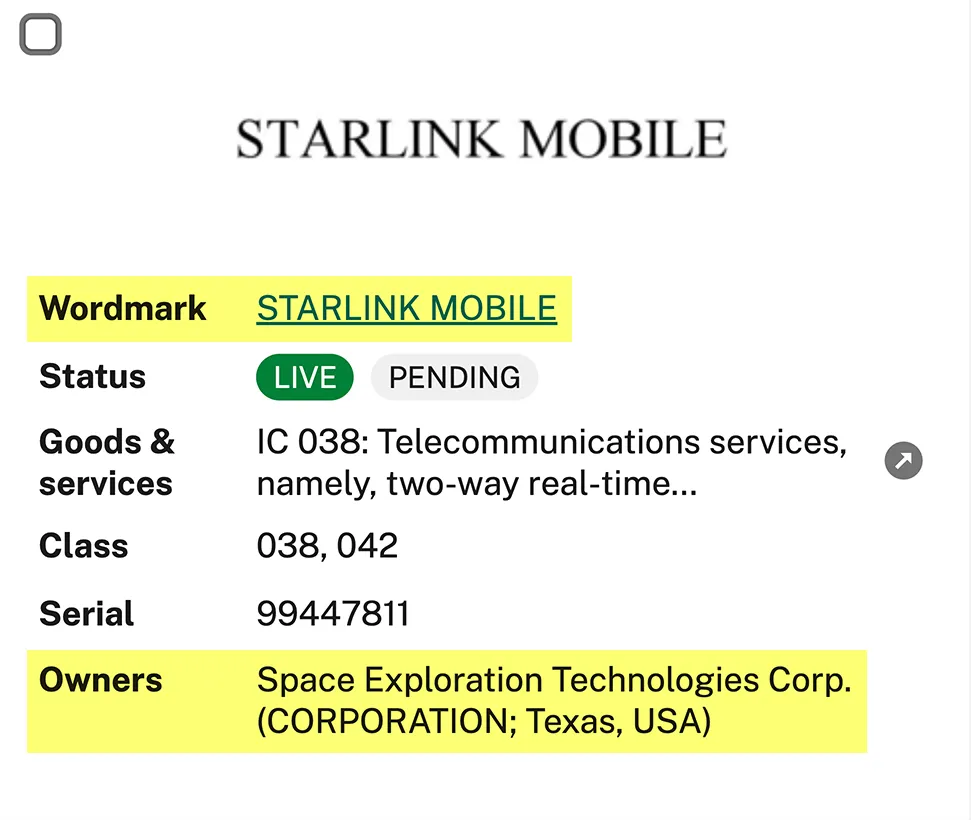
What evidence grounds the whole thesis? The checkable layer is unusually strong: a $17 billion exclusive nationwide spectrum purchase from EchoStar, the same-day “Starlink Mobile” and “Powered by Starlink” trademark filings, the Google contract paying SpaceX $920 million a month for orbital compute capacity through 2029, and SEC IPO paperwork describing direct-to-smartphone service on par with terrestrial mobile networks. The unconfirmed layer is the device itself. Musk denied the prototype story, and the presentation admits it: “Now, Elon Musk hasn’t confirmed that a Starphone is coming, of course.” We separate the layers in our full Starphone review.
Where to learn more
For the full thesis, see our related coverage of the Xphone partner genre and satellite communication stocks, plus the Stansberry Research publisher profile. The full presentation, including the supplier list offer and the 30-day refund guarantee, is at the Stansberry order page.
NewsletterVetter is an independent publication. We receive compensation from some of the services we review through affiliate links. Nothing on this site is investment advice. Always do your own research.